
When to Buy Stocks in a Volatile Market?
Investing in the stock market can be a daunting task, especially during periods of high volatility. The market can swing wildly from one day to the next, making it difficult to determine the best time to buy stocks. However, with careful analysis and a clear strategy, it is possible to find opportunities even in the most volatile market conditions. In this article, we will explore the key factors to consider when deciding when to buy stocks in a volatile market.
Identify a Stable Long-Term Investment
Before jumping into the market during a volatile period, it is important to identify a stable long-term investment. Look for companies that have a track record of consistent growth and profitability. These companies are more likely to weather the storm of a volatile market and continue to perform well over the long term. By investing in stable companies, you can reduce your risk and increase your chances of success, even in the face of market turbulence.
Consider the Market’s Overall Trend
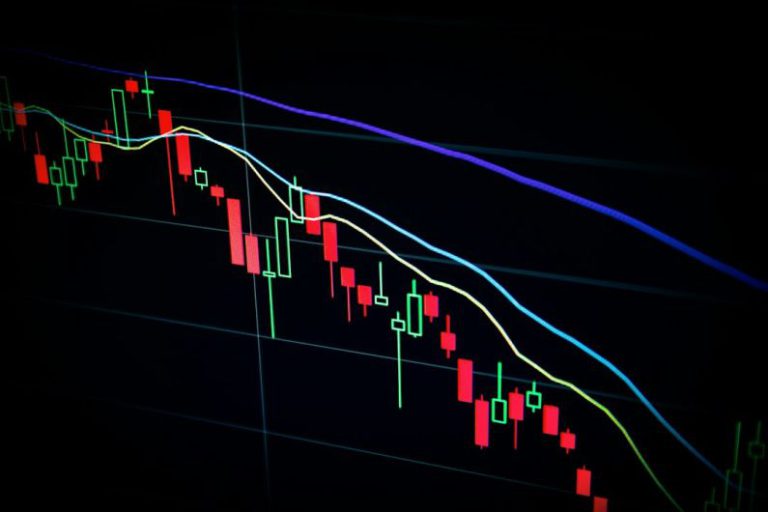
While volatility can create opportunities for buying stocks at discounted prices, it is essential to consider the market’s overall trend. If the market is in a prolonged downtrend, it may be wise to hold off on buying stocks until there are signs of a reversal. Trying to catch a falling knife can be dangerous, as stocks may continue to decline in value. On the other hand, if the market is in an uptrend, buying stocks during temporary pullbacks can be a smart move. By aligning your buying decisions with the market’s overall trend, you can increase your chances of making profitable investments.
Look for Oversold Conditions
During periods of high volatility, stocks can become oversold, meaning that their prices have been pushed down to levels that do not accurately reflect their true value. This presents an opportunity for savvy investors to buy stocks at a discount. Look for stocks that have experienced a sharp decline in price but still have strong fundamentals. By buying oversold stocks, you can take advantage of market mispricing and potentially earn significant returns when the market corrects itself.
Diversify Your Portfolio
Diversification is a key strategy for mitigating risk in any market environment, but it becomes even more crucial during periods of high volatility. By spreading your investments across different sectors and asset classes, you can reduce the impact of any single stock or market downturn on your overall portfolio. Diversification allows you to capture the upside potential of different industries while minimizing the downside risk. It is important to regularly review and rebalance your portfolio to ensure that it remains diversified and aligned with your long-term investment goals.
Stay Informed and Be Patient
In a volatile market, it is crucial to stay informed about market trends, company news, and economic indicators. By keeping a close eye on these factors, you can make more informed investment decisions. Additionally, it is important to be patient and avoid making impulsive decisions based on short-term market fluctuations. Successful investing requires a long-term outlook and the ability to ignore the noise of the market. By staying focused on your investment strategy and avoiding knee-jerk reactions, you can make better decisions and achieve your financial goals.
In conclusion, buying stocks in a volatile market requires careful analysis and a clear strategy. By identifying stable long-term investments, considering the market’s overall trend, looking for oversold conditions, diversifying your portfolio, and staying informed and patient, you can increase your chances of making profitable investments even in the face of market volatility. Remember, investing in the stock market carries risks, and it is important to consult with a financial advisor before making any investment decisions.