What Are the Best Budgeting Techniques?
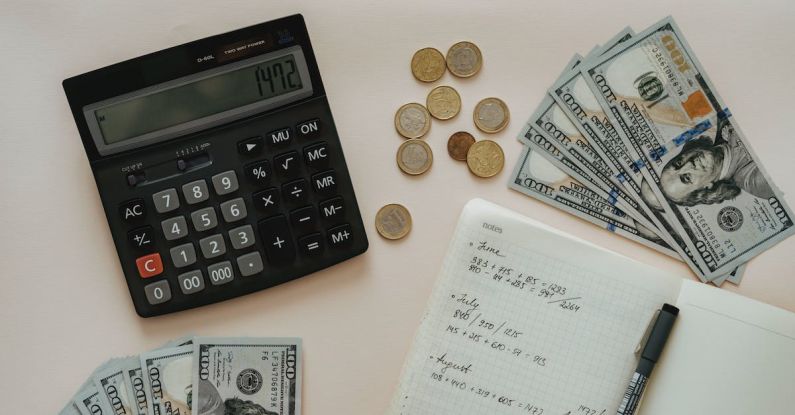
Budgeting is a crucial aspect of personal finance management. It helps individuals and families track their income and expenses, and ultimately achieve their financial goals. However, creating an effective budget can be challenging, especially if you’re not sure where to start. In this article, we will explore some of the best budgeting techniques that can help you take control of your finances and achieve financial success.
The 50/30/20 Rule
One popular budgeting technique is the 50/30/20 rule. This approach suggests allocating 50% of your income to essential expenses, such as rent, utilities, and groceries. The remaining 30% can be used for discretionary spending, such as dining out or entertainment. Finally, 20% should be dedicated to savings and debt repayment. This technique provides a simple framework for budgeting and ensures that you are prioritizing your financial goals.
Envelope System
The envelope system is a budgeting technique that involves using physical envelopes to allocate funds for different categories of expenses. You simply label each envelope with a specific expense category, such as groceries, transportation, or entertainment, and put the allocated amount of cash inside. This method helps you visually see how much money you have left for each category and prevents overspending.
Zero-Based Budgeting
Zero-based budgeting is a technique where you assign every dollar of your income a specific purpose. With this approach, you start with zero dollars and allocate your income to expenses, savings, and debt repayment until you reach zero again. This method ensures that every dollar is accounted for and helps you make intentional decisions about how you spend your money.
Automated Budgeting
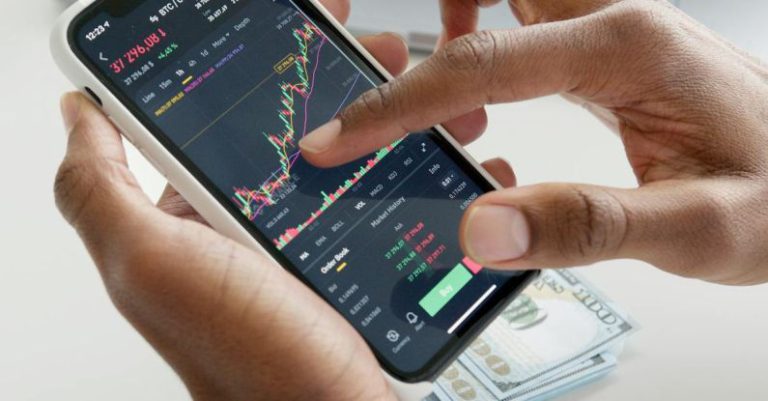
Automated budgeting is a technique that leverages technology to simplify budgeting and make it more efficient. There are various budgeting apps and software available that can help you track your income and expenses, set financial goals, and monitor your progress. These tools often provide visual representations of your budget, send reminders for bill payments, and offer insights into your spending habits. By automating your budgeting process, you can save time and stay organized.
Sinking Fund Method
The sinking fund method is a budgeting technique that allows you to save for irregular expenses or future goals. Instead of scrambling to come up with money when unexpected expenses arise, you set aside a small amount of money each month into a separate savings account or envelope. This way, when the time comes to pay for car repairs, vacations, or holiday gifts, you have the funds readily available. The sinking fund method helps you avoid relying on credit cards or going into debt for unexpected expenses.
Conclusion: Find the Technique that Works for You
Budgeting is a personal process, and what works for one person may not work for another. The key is to find a budgeting technique that aligns with your financial goals, lifestyle, and preferences. Experiment with different methods and see which one helps you stay on track and achieve your financial objectives. Remember, budgeting is not a one-time task but an ongoing process. Regularly review and adjust your budget as needed to ensure that you are making progress towards your financial goals.
In conclusion, budgeting is an essential tool for managing your finances effectively. By implementing one of these budgeting techniques, such as the 50/30/20 rule, envelope system, zero-based budgeting, automated budgeting, or sinking fund method, you can take control of your money and work towards financial success. Remember, the best budgeting technique is the one that works best for you.