How to Leverage Social Media for Brand Growth?
In today’s digital age, social media has become an integral part of our lives. With millions of people using platforms like Facebook, Instagram, and Twitter, it has also become a powerful tool for brand growth. Leveraging social media effectively can help businesses reach a wider audience, increase brand visibility, and ultimately drive sales. In this article, we will discuss some strategies on how to leverage social media for brand growth.
1. Define Your Target Audience
Before diving into social media marketing, it is crucial to define your target audience. Understanding who your ideal customer is will help you create content that resonates with them. Take the time to analyze demographics, interests, and online behavior to develop a clear picture of the people you want to reach.
2. Choose the Right Platforms
Not all social media platforms are created equal, and not all will be suitable for your brand. It is important to choose the platforms where your target audience is most active. For example, if you are targeting a younger audience, platforms like Instagram and TikTok might be more effective. If your audience consists of professionals, LinkedIn may be the way to go. By focusing on the platforms that matter most to your audience, you can maximize your brand’s visibility and engagement.
3. Develop a Content Strategy
Once you have identified your target audience and chosen the right platforms, it’s time to develop a content strategy. This involves creating a consistent brand voice, planning the type of content you will share, and establishing a posting schedule. Your content should be informative, entertaining, and visually appealing. Remember to mix it up with a variety of formats, such as images, videos, and infographics, to keep your audience engaged.
4. Engage with Your Audience
Social media is all about building relationships with your audience. Take the time to respond to comments, messages, and mentions. Engage with your followers by asking questions, running polls, or hosting live Q&A sessions. By actively interacting with your audience, you can build trust, loyalty, and a sense of community around your brand.
5. Collaborate with Influencers
Influencer marketing has become a powerful tool for brand growth. Collaborating with influencers who align with your brand values can help you reach a wider audience and boost your credibility. When choosing influencers, ensure that their audience matches your target demographic and that they have an engaged following. Influencer partnerships can take various forms, such as sponsored content, product reviews, or hosting giveaways.
6. Monitor and Analyze
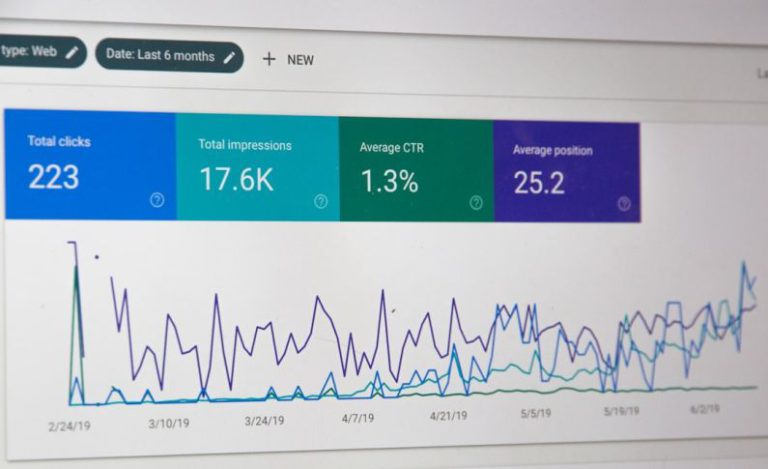
To effectively leverage social media for brand growth, it is essential to monitor and analyze your performance. Use analytics tools provided by the social media platforms to track metrics such as engagement, reach, and click-through rates. Analyzing this data will help you understand what content resonates with your audience and make informed decisions on future strategies. Regularly reviewing your performance will enable you to optimize your social media efforts and achieve better results.
In conclusion, social media can be a game-changer for brand growth if leveraged effectively. By defining your target audience, choosing the right platforms, developing a content strategy, engaging with your audience, collaborating with influencers, and monitoring your performance, you can maximize your brand’s presence and drive growth. Remember, social media is constantly evolving, so be flexible, adapt to new trends, and always stay connected with your audience.