
Why Is Rapid Prototyping Essential for Innovation?
Innovation is the lifeblood of progress. It drives industries forward, enables new technologies, and enhances our lives in countless ways. And at the heart of innovation lies rapid prototyping. This process has revolutionized the way products are developed, allowing businesses to iterate quickly, test ideas, and ultimately bring game-changing concepts to market faster than ever before. In this article, we will explore why rapid prototyping is essential for innovation and how it can propel businesses toward success.
Accelerating the Design Process
One of the primary benefits of rapid prototyping is its ability to accelerate the design process. Traditionally, product development involved multiple rounds of design, manufacturing, and testing, which could take months or even years. With rapid prototyping, however, businesses can create physical prototypes within days or even hours. This allows designers and engineers to test their ideas in the real world, identify flaws, and make improvements at a much faster pace. By compressing the design cycle, rapid prototyping enables businesses to iterate quickly and bring products to market in record time.
Reducing Costs and Risks
Another key advantage of rapid prototyping is its ability to minimize costs and risks associated with product development. Traditional manufacturing methods often require expensive tooling and molds, which can be a significant barrier to entry for small businesses or startups. Rapid prototyping eliminates this hurdle by enabling the production of prototypes using additive manufacturing technologies such as 3D printing. This not only reduces costs but also allows for the testing of multiple design iterations without incurring additional expenses. By mitigating risks and lowering the financial burden, rapid prototyping empowers businesses to innovate freely and explore new ideas without fear of failure.
Improving Collaboration and Communication
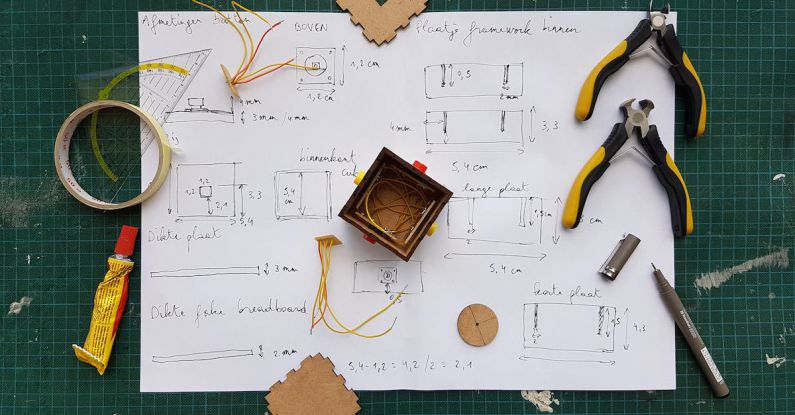
Effective collaboration and communication are crucial for successful innovation. Rapid prototyping plays a vital role in enhancing these aspects by providing a tangible representation of ideas that can be easily shared and discussed among team members, stakeholders, and potential investors. Unlike traditional design processes that rely on abstract drawings or computer simulations, rapid prototypes allow everyone to visualize and interact with the product in a physical form. This tangible representation fosters better understanding, encourages feedback, and enables quicker decision-making. By improving collaboration and communication, rapid prototyping facilitates the exchange of ideas and ensures that the final product meets the needs and expectations of all stakeholders.
Enabling User-Centric Design
Innovation should always be driven by the needs and preferences of end-users. Rapid prototyping empowers businesses to adopt a user-centric design approach by allowing them to gather feedback and validate concepts early in the development process. By creating physical prototypes, businesses can conduct user testing, observe how people interact with the product, and identify areas for improvement. This iterative feedback loop ensures that the final product is tailored to the needs and desires of the target market, increasing its chances of success. By enabling user-centric design, rapid prototyping enhances the overall user experience and drives innovation that truly resonates with consumers.
Conclusion: Empowering Innovation Through Rapid Prototyping
Innovation is a complex and multifaceted process that requires creativity, flexibility, and a willingness to embrace change. Rapid prototyping provides the tools and techniques necessary to navigate this process successfully. By accelerating the design cycle, reducing costs and risks, improving collaboration and communication, and enabling user-centric design, rapid prototyping empowers businesses to innovate faster, more efficiently, and with a higher probability of success. In today’s fast-paced and competitive business environment, embracing rapid prototyping is not only essential but also a strategic imperative for organizations looking to stay ahead of the curve and drive innovation forward.